History of MSU Football
The Michigan State Spartans football program has a long and proud history that dates back to the late 1800s. Over the years, the team grew from a small college squad into a nationally recognized powerhouse in college football. Michigan State became especially strong during the mid-20th century, winning national championships and producing talented players. As a member of the Big Ten Conference, MSU has consistently faced tough competition, helping shape the program into one known for resilience, tradition, and determination.
Spartan Stadium
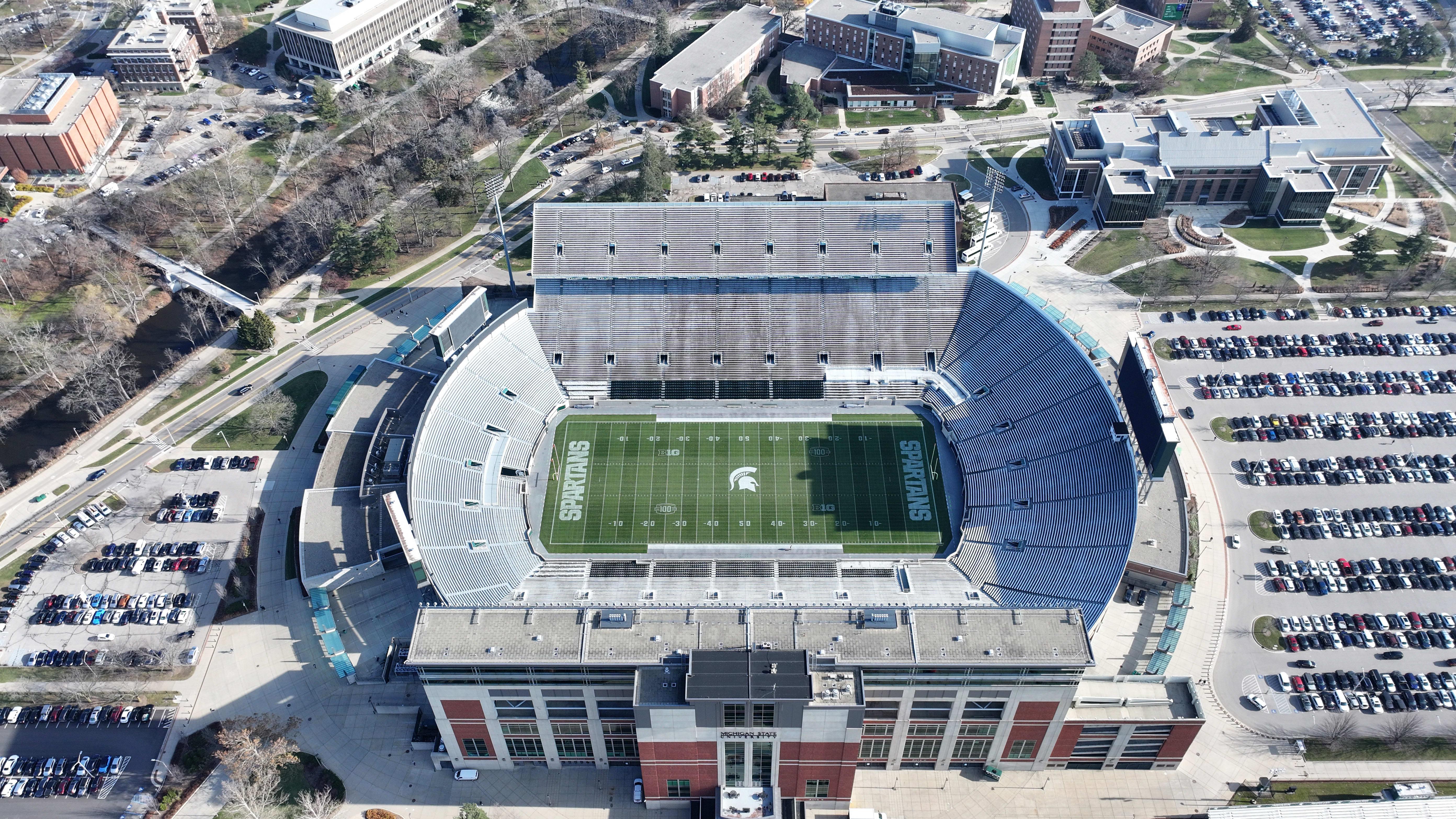
Spartan Stadium is the home of Michigan State football and one of the most exciting places to watch a college game. Located in East Lansing, the stadium can hold over 75,000 fans, creating an electric atmosphere on game days. The sea of green and white, along with the loud cheers from students and alumni, makes it a tough place for opposing teams to play. Spartan Stadium is more than just a field; it represents school pride, tradition, and the strong connection between the team and its supporters.
Famous Players and Coaches
Michigan State has produced many legendary players and coaches who have left a lasting impact on the program. One well-known player is Kirk Cousins, who went on to have a successful career in the NFL after his time at MSU. The program has also been shaped by influential coaches who built winning teams and strong cultures. These individuals helped establish Michigan State as a respected name in college football and inspired future generations of athletes to continue the tradition of excellence.
Why MSU Football Matters Today
Today, Michigan State football continues to be an important part of the university and its community. The team brings students, alumni, and fans together, especially during big rivalry games like the annual matchup against the University of Michigan. These games create excitement and school spirit that can be felt across campus and beyond. MSU football also provides opportunities for student-athletes to grow both on and off the field, making it more than just a sport—it is a key part of the Michigan State experience and identity.