1920s-1970s: Foundations and Early Growth
The Michigan State Spartans men's ice hockey program began in 1922 and spent its early decades building a foundation for long-term success. During this period, the team competed at various levels of collegiate hockey, gradually establishing itself as a respected program in the Midwest. While resources and national exposure were more limited compared to today, Michigan State developed a competitive identity rooted in discipline and teamwork. By the 1960s, the Spartans had reached a major milestone, capturing their first national title in 1966 at the NCAA Men's Ice Hockey Championship. This victory helped put Michigan State on the national map and signaled the program’s potential. Throughout the 1970s, the team continued to grow, setting the stage for a transformative era that would elevate Spartan hockey to elite status in college athletics.
1980s-1990s: The Ron Mason Era and National Prominence
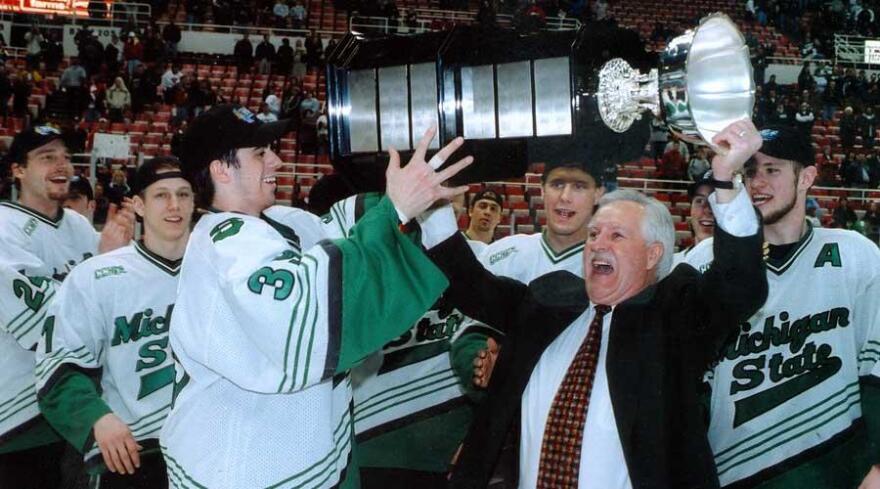
The arrival of legendary head coach Ron Mason marked the beginning of the most successful era in Michigan State hockey history. Coaching from 1979 to 2002, Mason built the Spartans into a national powerhouse. During the 1980s and 1990s, the program consistently ranked among the top teams in the country, known for its structured defense and disciplined play style. The Spartans captured the 1986 national championship and made multiple deep tournament runs, becoming a regular presence in the NCAA spotlight. Mason’s leadership not only brought wins but also helped develop future professional players, strengthening the program’s reputation. By the end of the 1990s, Michigan State had firmly established itself as one of the premier programs in college hockey, with a strong culture of excellence and a tradition of competing for championships year after year.
2000s-2010s: Continued Success and Transition
The early 2000s saw Michigan State maintain its competitive edge while transitioning into a new era following Mason’s retirement. One of the program’s defining achievements came in 2007, when the Spartans won another NCAA Men's Ice Hockey Championship, showcasing their ability to remain elite even during periods of change. Throughout the 2010s, the team adapted to a shifting college hockey landscape, including joining the Big Ten Conference when it began sponsoring men’s hockey. While the program experienced some ups and downs during this decade, it continued to develop talented players and remain competitive against strong conference opponents. This period highlighted the challenges of maintaining success in an increasingly competitive environment, but also demonstrated the resilience of the Michigan State hockey program.
2020s-Present: Rebuilding and Future Aspirations
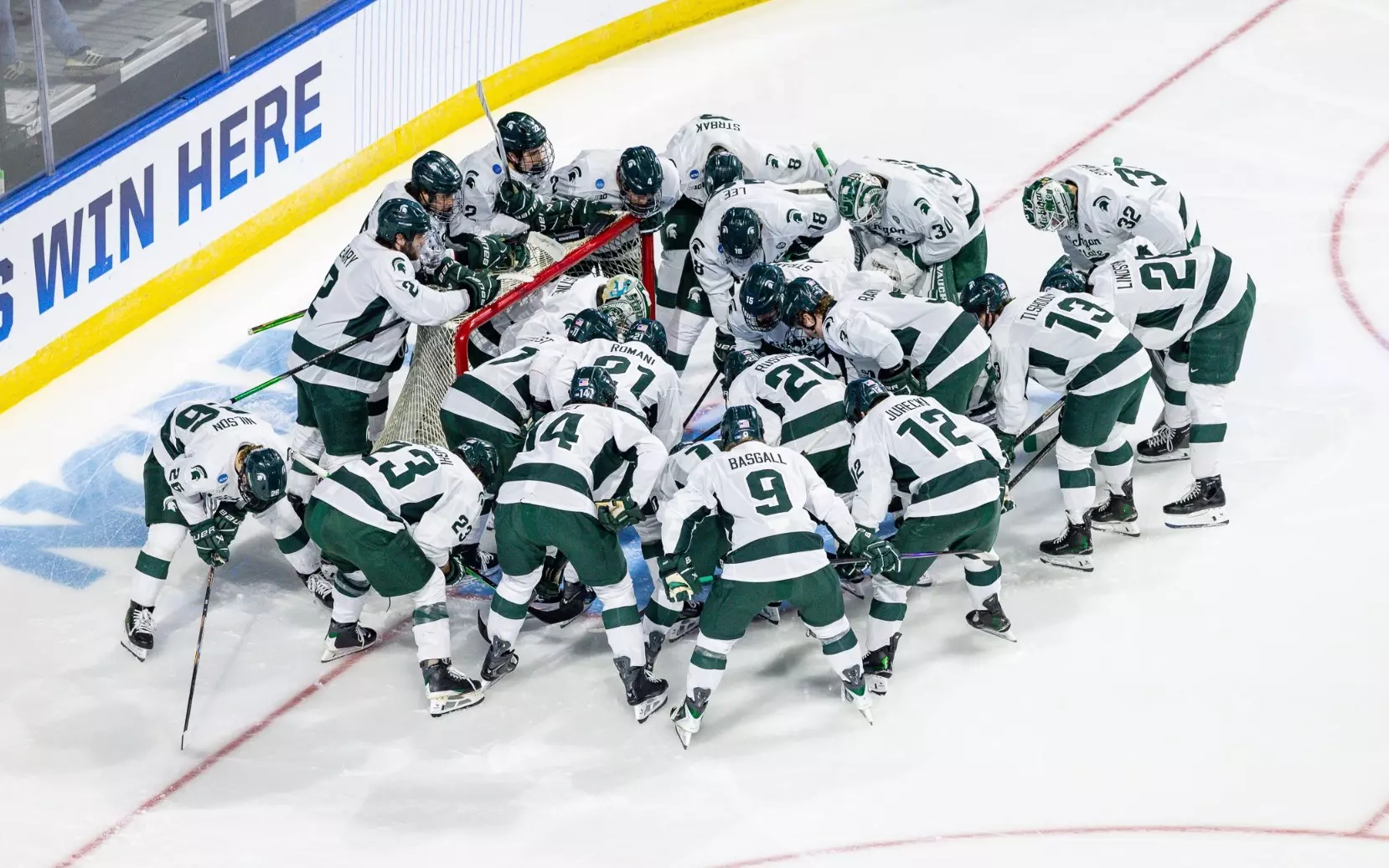
In the 2020s, Michigan State hockey is focused on rebuilding and returning to national prominence. Competing in the Big Ten Conference, the Spartans face some of the toughest competition in college hockey, pushing the program to continuously improve. Emphasis has been placed on recruiting high-level talent, modernizing training methods, and strengthening player development. The team continues to benefit from strong fan support at Munn Ice Arena, where an energetic atmosphere fuels home performances. With new coaching strategies and a commitment to growth, Michigan State aims to reestablish itself as a consistent contender for conference titles and national championships. The program’s rich history combined with its forward-looking approach provides optimism that Spartan hockey will once again reach the top tier of NCAA competition.